
'/%3E%3C/svg%3E)

'/%3E%3Cpath%20fill='%23b2b2b2'%20d='M241%20382q0%2016%2017%2026%2017%2011%2042%2011t42-11q16-11%2017-26V269H241'/%3E%3Cpath%20fill='%239f7e00'%20d='M241%20379q0%2014%208%2023%209%209%2021%209%2014%200%2021-9%209-9%209-23V269h-59'/%3E%3Cpath%20d='M241%20339v-70h59v110q0%2014-9%2023l-6%205v-68h-15v72q-8%200-14-4v-68zm59%2040c0%2022%2015%2032%2029%2032%2021%200%2030-18%2030-32v-40h-59'/%3E%3Cpath%20fill='%239f7e00'%20d='M266%20277v5h2v12h-3v-5h2v-5h-9v5h2v5h-4v9h3v18h-5v10h34v-10h-5v-18h3v-9h-4v-5h2v-5h-9v5h2v5h-3v-12h2v-5zm42%20101q0%2010%206%2017%206%206%2015%207%2010-1%2016-7%206-7%206-17v-29h-43'/%3E%3Ccircle%20fill='%230044ad'%20cx='329.5'%20cy='372'%20r='6'/%3E%3Cellipse%20fill='%230044ad'%20cx='300'%20cy='340'%20rx='16'%20ry='21'/%3E%3C/svg%3E)

Fianarantsoa : sowing the seeds of peace in local neighbourhoods
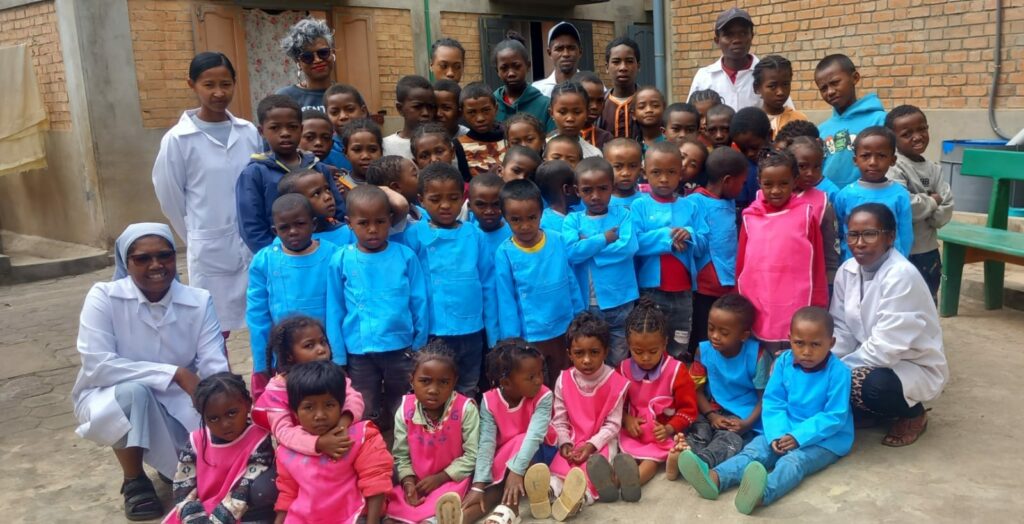
In a poor neighbourhood of Fianarantsoa, in south-eastern Madagascar, families face hardship, violence and a lack of prospects every day. In the face of these realities, the Little Sisters of the Assumption and lay people support the most vulnerable children and young people through the Akany Fivoarana Centre (Nest of Development). Convinced that peace is built first and foremost in people’s hearts and relationships, together they work alongside families to ensure that every child becomes an active participant in their own transformation.
Testimonial from the tutors
In the neighbourhoods of Fianarantsoa in Madagascar, frequent human rights abuse and injustices undermine this atmosphere of peace and force families to view life as a ‘living hell’ where their human dignity slips away. Yet, at the heart of this daily existence, their desire remains to break free from isolation. Day after day, many men and women, young people and children take the risk of building pockets of hope with their own hands. As Elie Wiesel, winner of the 1986 Nobel Peace Prize, said, “Peace is our gift to the world. It begins with a word, a gesture, a listening ear.”
Even if the world is ailing, it is also a land strewn with seeds of hope. Every person, together with others, in their relationship with God and the environment, holds in their hands the means for transformation, for a better life.
One of the activities of the Akany Fivoarana Centre in Fianarantsoa is to support children’s education by caring for their well-being. In every aspect of the day, the child is regarded as a ‘pearl’ for society. Despite their often difficult personal and family circumstances, a caring approach facilitates dialogue between the pupils, teachers, their parents and the Little Sisters of the Assumption. When they arrive in the morning, their reality is shrouded in mystery, more negative than positive, where their most basic needs go unmet. Their untreated wounds bear the marks of domestic violence, lack of food, the absence of decent housing, and so many forms of violence, both visible and invisible, that scar the child for life and prevent them from learning, however basic that learning may be.
In this open space, children come after school to further their learning. It is wonderful to sense the atmosphere of peace that reigns here, and this begs the question: how is it that violence does not prevail, as it does in so many places where basic needs are unmet?
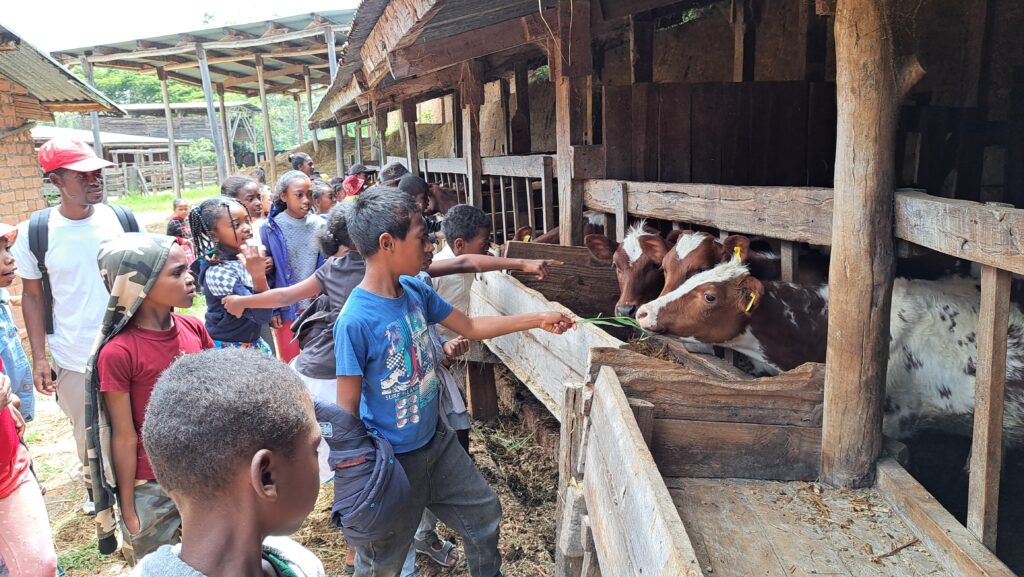
In times of ‘crisis’, by restoring normality through dialogue, the teachers and educators enjoy creating a space for listening and honesty, which helps the children and young people see themselves in a new light. Experience in other institutions, where ‘disciplinary rules’ are the mainstay of school life, shows that violence (verbal or otherwise) is difficult to control and undermines trust. These feelings create a sense of isolation into which it is easy to retreat when things go wrong. It is beneficial to give the child or young person a fresh start where learning is not an end in itself. Whilst remedial classes are organised to support academic progress, a wide range of extra-curricular activities broaden the mind: raising awareness of environmental respect, exploring natural spaces, educational games, cultural outings, reforestation, football tournaments, etc.
Unlike the ‘standard’ school system, which tends to be based on obligations, the way children are encouraged to speak up fosters self-awareness and transforms their experiences into something positive. The individual grows through a voluntary and more personal desire, moving away from a blinkered system of duty.
This objective helps children become aware of their upbringing, so they can grow into people capable of reflecting on and understanding what is good or less good for them. By becoming personally aware of difficult experiences, the children are thus called upon to transform themselves.
The desire to learn helps overcome the fear of failing. For the educational team, their aim in working with these young people is to develop a consistent approach through active listening. When faced with a child’s difficulties, discussing the matter with them and their family prevents them from becoming trapped in a situation they do not fully understand. The exchange between everyone allows personal emotions to be acknowledged, and this work on feelings can help move beyond the discordant situation. Each person, through their own realisation, discovers a greater inner truth. The practice of active listening becomes a means of delving deeper into collective well-being, and peace naturally ensues for all. It is wonderful to witness and support parents as they become aware of the unsuitable ways in which they have been raising their children.
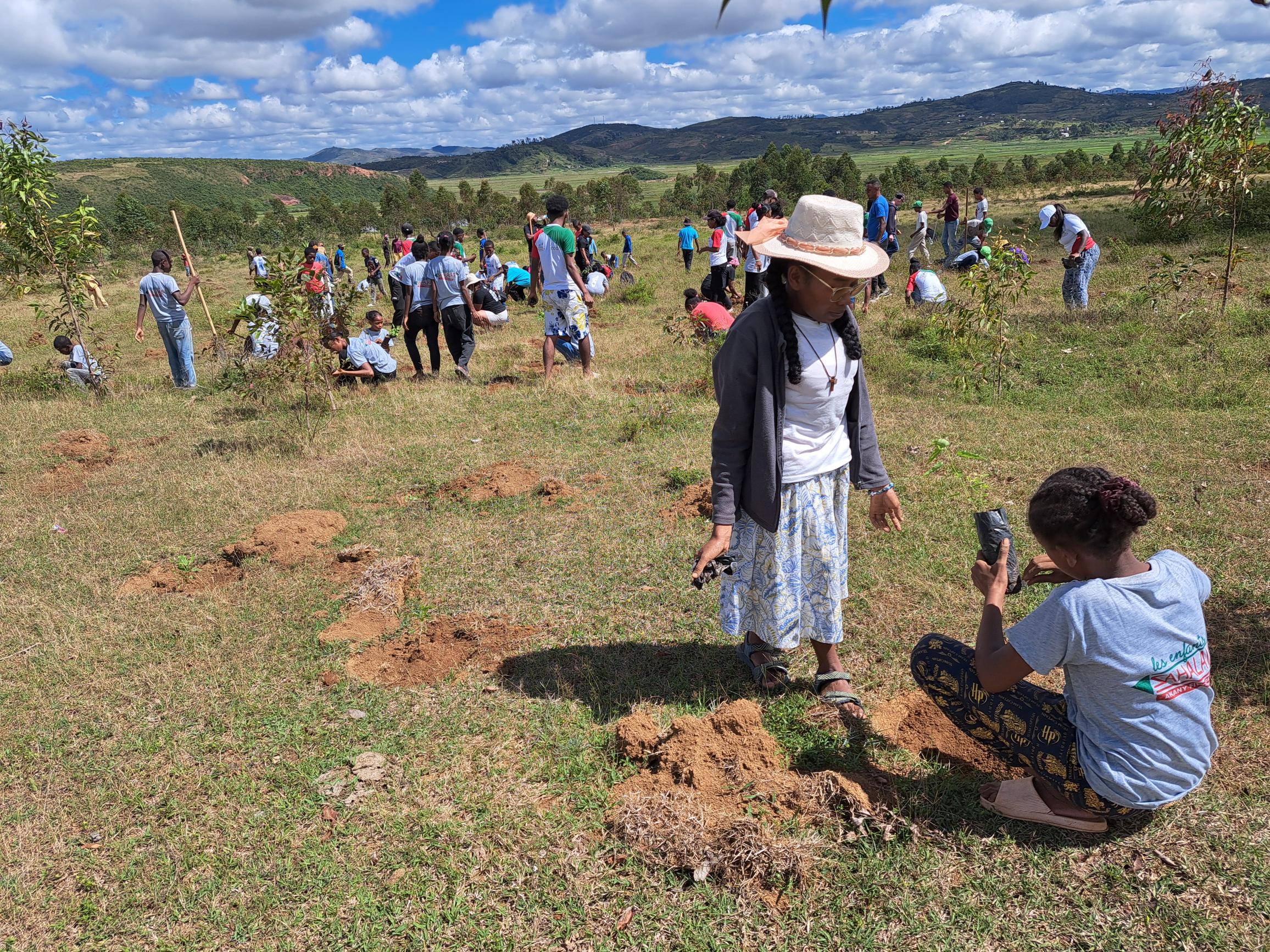
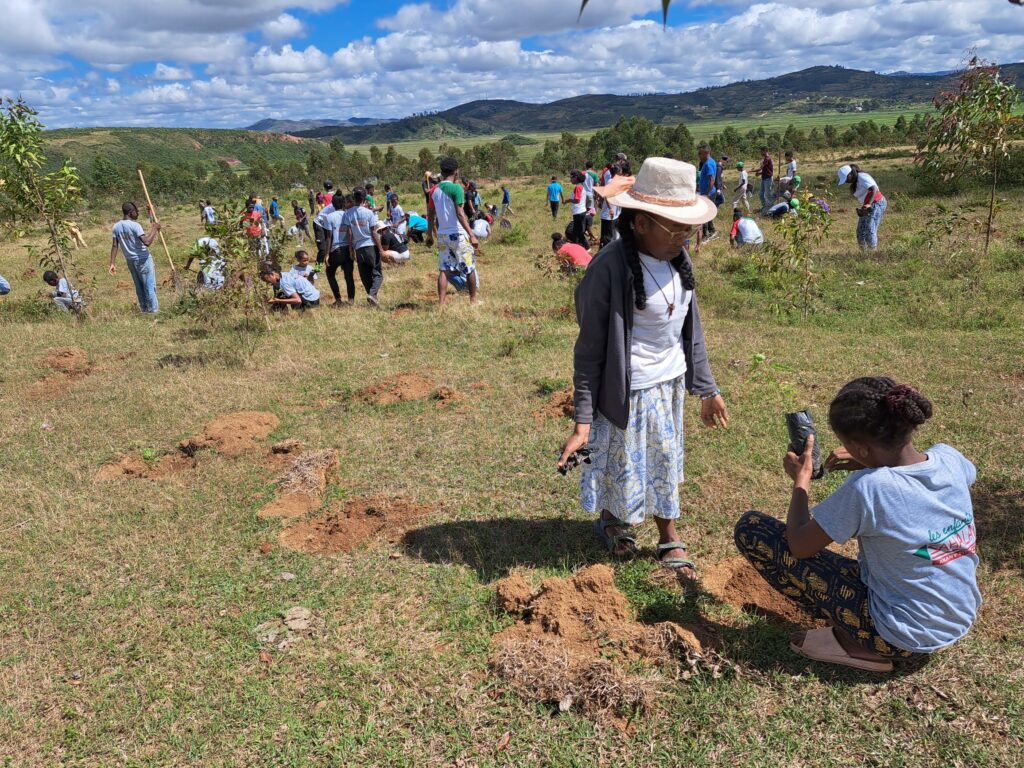
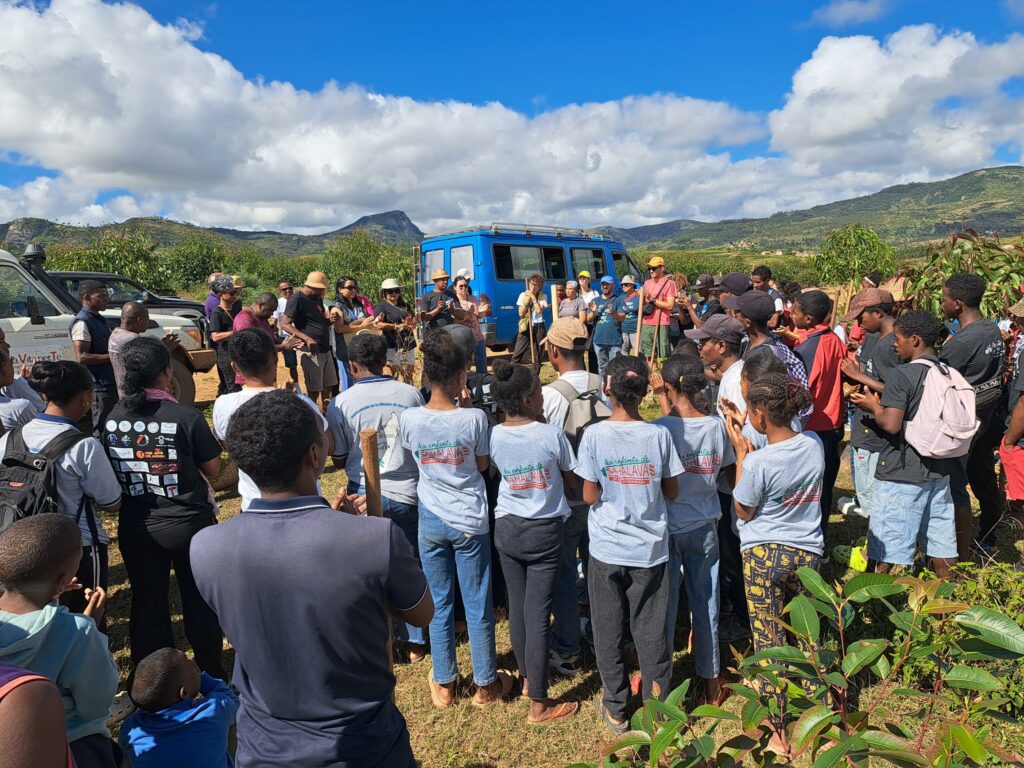
A genuine education for Peace involves understanding one’s own experiences. It can offer hope for a different world, rather than continuing to act out of compulsion. Recently, it has been heartening to see how these children, who have faced a hard life, were keen to join other organisations in a reforestation effort, planting 3,000 trees in a single morning. Their faces radiated joy as they reflected on their actions to create a more liveable world.
All this openness counteracts the fear produced by society and a future without hope… This respect for oneself and for others opens a path of awareness, enabling us to perceive the reality of our differences as a source of wealth. Small everyday gestures, words of kindness, recognition and gratitude can help bring peace to the heart of this world.
Srs Antoinette and Patricia ,
community of Sahalava and Ampopoka